Understanding A1C: What It Measures
Definition and Purpose of A1C
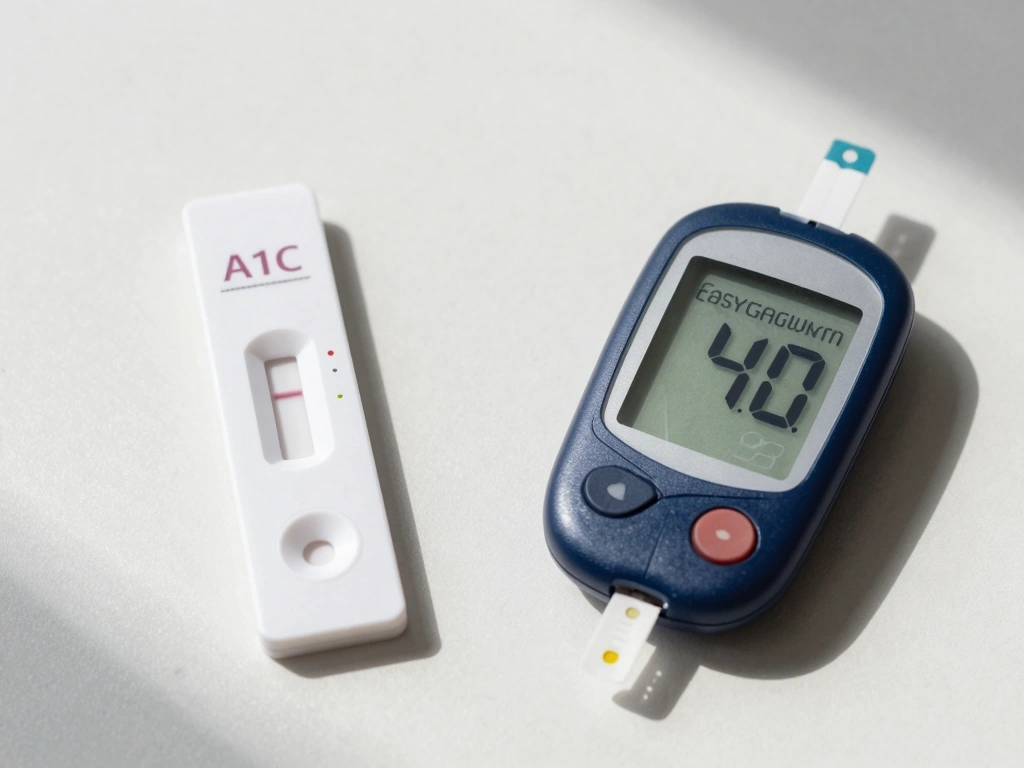
The A1C test, also known as glycated hemoglobin or HbA1c, is a blood test that provides an average of a person’s blood glucose levels over the past two to three months. It measures the percentage of hemoglobin— a protein in red blood cells that carries oxygen— that has glucose attached to it. The purpose of the A1C test is not only to diagnose diabetes but also to monitor how well blood sugar levels have been managed over time.
How A1C Reflects Blood Sugar Levels
When blood glucose levels are consistently high, more glucose attaches to hemoglobin, resulting in a higher A1C percentage. For instance, an A1C level of 5.7% to 6.4% indicates prediabetes, while a level of 6.5% or higher suggests diabetes. This percentage provides a broader view of blood sugar control compared to daily glucose testing, which can fluctuate based on food intake, exercise, and other factors.
Timeframe and Interpretation of A1C Results
The A1C test reflects average blood sugar levels over the previous two to three months, making it a valuable tool for assessing long-term glucose control. A normal A1C level is below 5.7%. Values of 5.7% to 6.4% indicate prediabetes, while an A1C of 6.5% or higher confirms a diabetes diagnosis. For individuals already diagnosed with diabetes, the American Diabetes Association recommends aiming for an A1C of less than 7% for good management.
Fasting Glucose: How It Works
Definition and Importance of Fasting Glucose
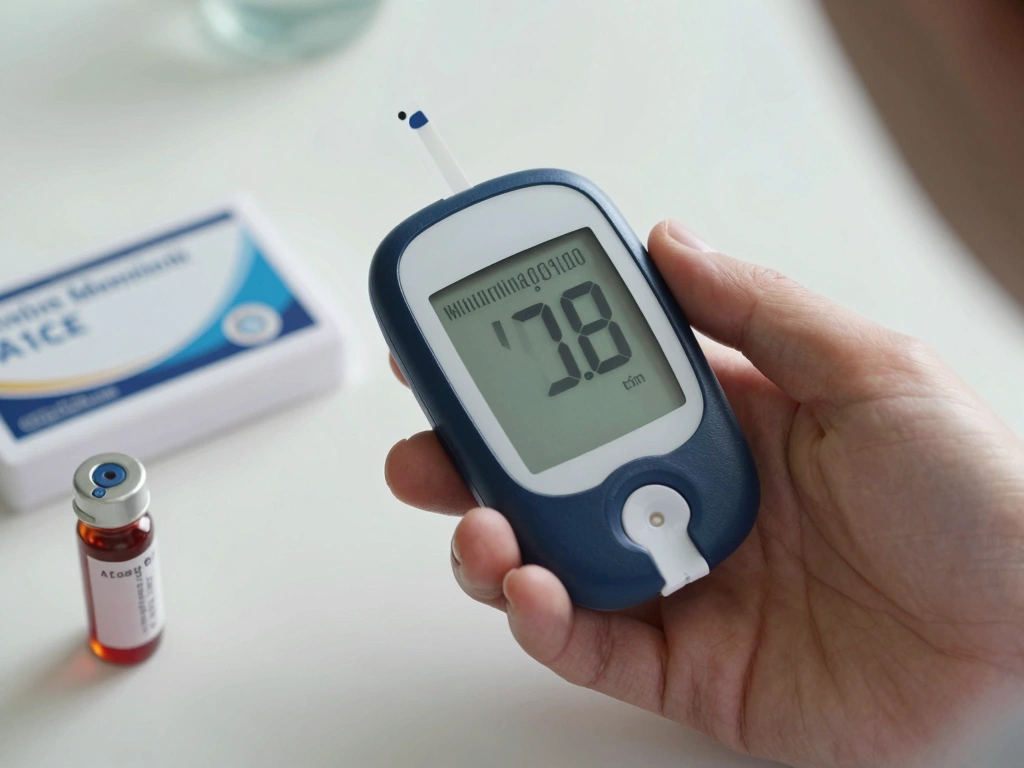
Fasting glucose refers to the blood sugar level measured after abstaining from all food and drink (except water) for at least eight hours. This test is crucial for diagnosing diabetes and assessing how the body responds to insulin. A fasting glucose level of less than 100 mg/dL is considered normal, while levels between 100 mg/dL and 125 mg/dL indicate prediabetes, and levels of 126 mg/dL or higher suggest diabetes.
How to Properly Measure Fasting Glucose
To accurately measure fasting glucose, patients should refrain from eating or drinking anything but water for at least eight hours prior to the test. This testing is typically done in the morning after an overnight fast. It’s important to follow the healthcare provider’s instructions carefully to ensure reliable results. Some medications can also affect fasting glucose levels, so patients should discuss their medications with their doctor before the test.
Timeframe and Interpretation of Fasting Glucose Results
Fasting glucose provides a snapshot of blood sugar levels at a specific moment after fasting. The results are categorized as follows:
- Normal: Less than 100 mg/dL
- Prediabetes: 100 mg/dL to 125 mg/dL
- Diabetes: 126 mg/dL or higher
While fasting glucose is crucial for immediate assessment, it does not provide information on long-term glucose management like the A1C test does.
Key Differences Between A1C and Fasting Glucose
Measurement Techniques and Timing
The primary distinction between A1C and fasting glucose lies in their measurement techniques and timing. A1C measures the average blood sugar over two to three months, while fasting glucose provides a single measurement after an overnight fast. This difference means that A1C can reflect chronic blood sugar control, whereas fasting glucose captures acute changes in blood sugar levels.
What Each Test Indicates About Diabetes Risk
Both tests play a significant role in assessing diabetes risk but from different angles. A1C is often used to diagnose and manage diabetes by providing insight into long-term glucose control. In contrast, fasting glucose is typically used for initial diagnosis and can indicate immediate insulin resistance or dysfunction. The two tests complement each other; for instance, a normal fasting glucose test does not rule out diabetes if the A1C test shows elevated levels.
Variability and Consistency of Results
A1C results can be influenced by various factors such as hemoglobin variants, anemia, and other blood disorders, which may lead to inaccurate readings. In contrast, fasting glucose can fluctuate based on recent dietary intake, stress, physical activity, and illness. Therefore, while fasting glucose tests can provide immediate insights, they may not always indicate long-term trends as reliably as A1C.
Clinical Implications of A1C and Fasting Glucose
When to Use A1C vs. Fasting Glucose in Diagnosis
Healthcare practitioners often use both tests in tandem to diagnose diabetes and monitor its management. The American Diabetes Association recommends using A1C as the primary test for diagnosing diabetes if the patient has no symptoms and the results are consistent with diabetes. Fasting glucose is particularly useful when evaluating patients with symptoms of hyperglycemia or when A1C results are inconclusive. In cases where there is a discrepancy between A1C and fasting glucose results, further testing may be warranted to clarify the diagnosis.
Monitoring Diabetes Management with Both Tests
For individuals diagnosed with diabetes, regular monitoring of both A1C and fasting glucose can provide a comprehensive view of their health status. A1C helps assess long-term glucose control, while fasting glucose can indicate how well a patient’s management plan is working in the short term. This dual approach allows for adjustments in diet, exercise, and medication as needed to ensure optimal diabetes management.
Potential Limitations of Each Test
Despite their usefulness, both A1C and fasting glucose tests have limitations. A1C may not be accurate for individuals with certain medical conditions, such as sickle cell disease or chronic kidney disease, which can affect hemoglobin levels. Similarly, fasting glucose can be influenced by factors like recent illness, stress, and medications, making it less reliable as a standalone diagnostic tool. It’s essential for patients to discuss these limitations with their healthcare providers to understand the context of their results.
Making Informed Health Decisions
How to Discuss Test Results with Your Doctor
Communicating effectively with healthcare providers about test results is crucial for managing diabetes. Patients should prepare for appointments by noting any symptoms, lifestyle changes, or concerns they have regarding their health. Asking specific questions about A1C and fasting glucose results, their implications, and recommended next steps can empower patients to take an active role in their health management. For example, questions like “What do my A1C results indicate about my long-term risk of complications?” or “How should I adjust my diet based on my fasting glucose levels?” can lead to valuable discussions.
Integrating A1C and Fasting Glucose into a Health Plan
Integrating both A1C and fasting glucose results into a comprehensive health plan is essential for effective diabetes management. Patients should work with their healthcare providers to develop a personalized plan that includes dietary recommendations, physical activity, medication management, and regular monitoring of both tests. This holistic approach can help maintain blood sugar levels within target ranges and reduce the risk of diabetes-related complications.
Future Trends in Diabetes Testing and Management
As technology advances, the future of diabetes testing may see the introduction of more comprehensive and user-friendly monitoring systems. Continuous glucose monitoring (CGM) devices, for instance, offer real-time glucose tracking and can help individuals manage their diabetes more effectively. Additionally, the integration of artificial intelligence in data analysis may provide more personalized insights into glucose trends, allowing for better management strategies. As research continues, the goal remains to enhance patient outcomes and simplify diabetes management through innovative testing and treatment approaches.